Ultimate Guide to Home DNA Testing Essentials for 2026
As we move into 2026, the landscape of home DNA testing continues to evolve rapidly. With advancements in technology and an increasing public interest in genetic information, understanding the essentials of home DNA testing is more important than ever. This guide aims to provide you with the necessary knowledge to navigate this fascinating field.
Understanding Home DNA Testing
Home DNA testing involves collecting a sample of your genetic material, usually through saliva or cheek swabs, which is then analysed to provide insights into ancestry, health risks, and traits. This type of testing has become increasingly accessible, allowing individuals to gain insights into their genetic make-up without needing to visit a clinic.
Types of Home DNA Tests
There are several types of home DNA tests available in 2026, each serving different purposes. The most common include:
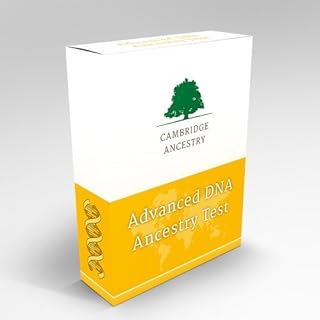
Ancestry Testing: This test provides information about your ethnic background and genealogical history. It can help individuals trace their heritage and connect with distant relatives.
Health Risk Testing: These tests assess your genetic predisposition to various health conditions, such as heart disease, diabetes, and certain cancers. Understanding these risks can empower individuals to make informed lifestyle changes.
People Also Look For:
- Flowflex One Step Lateral Flow Test Kit | 5 tests | One Step Test for Sars-CoV-2 Antigen |Covid-19 Self Testing Rapid Test | Not F...
- Dna Test Genetic Testing Crispr Microbiology Case for iPhone 16
- Genetrace DNA Grandparent Test - at-Home DNA Test Kit for Grandparent and Grandchild - Lab Fees & Shipping Included - Results in 1...
- 23andMe Health + Ancestry Service: Personal Genetic DNA Test Including Health Predispositions, Carrier Status, Wellness, and Trait...
- Covid-19 Lateral Flow Testing Kit - 5 Tests, Pack of 2, Deep Blue Covid Test Kit (Colloidal Gold), Home and Travel Test Kit, Rapid...
Trait Testing: Trait tests reveal specific characteristics that may be influenced by your genetics, such as eye colour, hair type, and even susceptibility to certain tastes and smells.
Benefits of Home DNA Testing
Home DNA testing offers numerous benefits, making it an appealing option for many individuals. Firstly, it provides a convenient way to access genetic information without the need for medical appointments or laboratory visits. Secondly, the insights gained can inspire positive lifestyle changes, particularly when it comes to health risk assessments. Furthermore, ancestry tests can foster a sense of connection and understanding of one's heritage, which can be particularly meaningful for those looking to explore their family history.
Considerations Before Testing
Before diving into home DNA testing, there are several considerations to keep in mind. Privacy and data security are paramount, as the genetic information collected can be sensitive. It is essential to choose a reputable company that prioritises data protection and provides clear information on how your data will be used and stored.
Additionally, while home DNA tests can provide valuable insights, they are not a substitute for professional medical advice. Individuals should approach health-related findings with caution and consult healthcare professionals when interpreting results.
Selecting the Right Testing Kit
With numerous options available, selecting the right home DNA testing kit can be daunting. It is advisable to consider factors such as the specific information you seek, the credibility of the testing company, and any additional services offered, such as genetic counselling or health reports. Reading consumer reviews and comparing different products can help you make an informed decision.
Future Trends in Home DNA Testing
As we look ahead, several trends are emerging in the realm of home DNA testing. In 2026, we anticipate increased integration of artificial intelligence and machine learning in genetic analysis, leading to more accurate and personalised results. There is also a growing emphasis on ethical considerations, with companies likely to enhance transparency regarding data handling and privacy policies.
The Role of Regulation
Regulation of home DNA testing is expected to tighten in 2026 as authorities recognise the need to protect consumers and ensure the accuracy of genetic tests. This could involve more stringent guidelines for testing companies, including mandatory reporting of significant health risks and clearer communication about the limitations of genetic testing.
As these changes unfold, consumers will benefit from a more robust framework that supports informed decision-making in their genetic exploration.